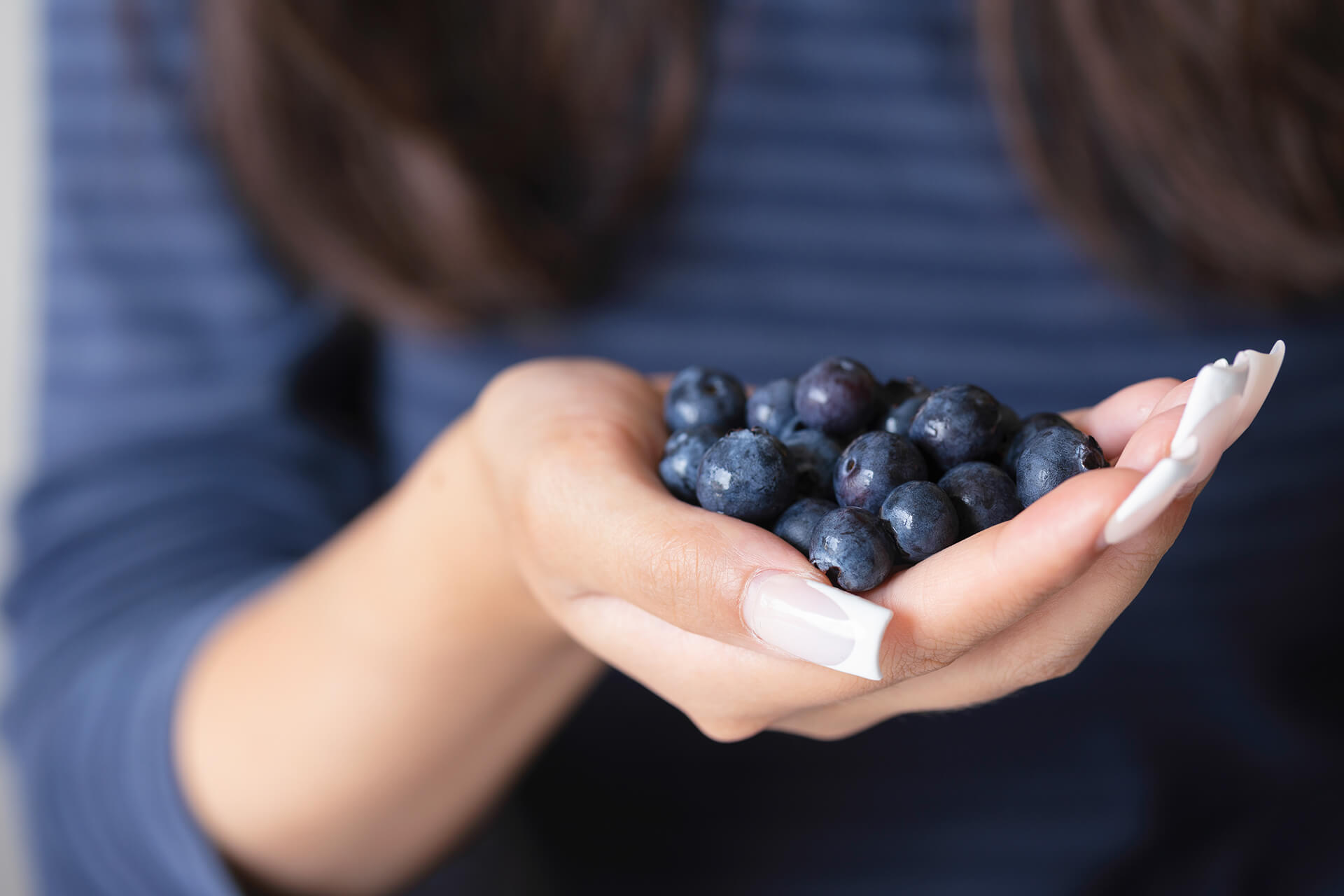
Native to North America, blueberries have been a beloved part of our landscape and diet for thousands of years.
Blueberries are one of the few fruits native to North America. Indigenous peoples harvested wild blueberries long before European settlers arrived, using them fresh, dried, and in stews. The story of how this wild berry became a commercial crop — and a global favorite — is a uniquely American one.
Native Americans were the first to use blueberries, calling them "star berries" for the five-pointed star formed at the blossom end of each fruit. They used blueberries fresh, dried them for winter stores, and infused them into teas, soups, and meat rubs.
When Europeans arrived, Indigenous peoples shared their knowledge of the berry — helping colonists survive their first harsh winters.
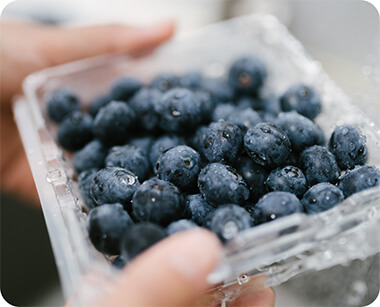
Blueberries were considered impossible to cultivate until botanist Dr. Frederick Coville began studying them in 1908. Partnering with New Jersey cranberry grower Elizabeth White, he produced the first commercial crop of cultivated highbush blueberries in 1916.
Their breakthrough transformed a wild, seasonal treat into one of America's most beloved fruits.
Indigenous peoples across North America harvest wild blueberries as a staple food and medicine.
Dr. Frederick Coville begins the research that will make cultivated blueberries possible.
Elizabeth White and Dr. Coville ship the first commercial crop of cultivated highbush blueberries.
U.S. blueberry production expands dramatically as consumer demand grows.
The U.S. Highbush Blueberry Council is established to support growers and promote blueberries.
North America is the world's largest producer of blueberries, grown in 38 U.S. states and Canada.